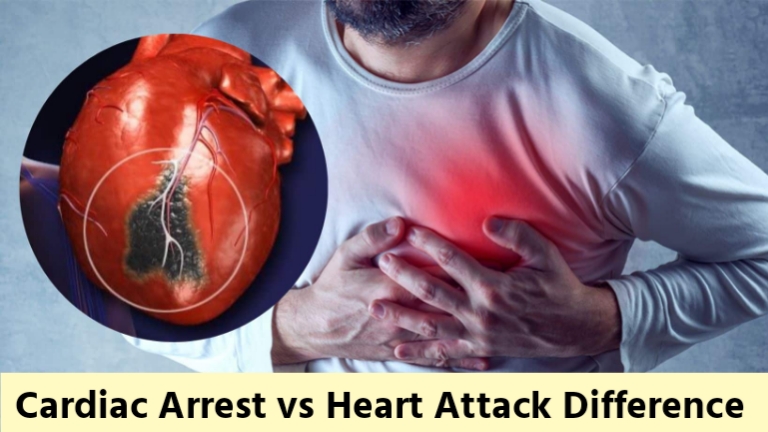
Cardiac Arrest vs Heart Attack Differences : When it comes to heart-related emergencies, terms like cardiac arrest and heart attack are often used interchangeably. However, they are not the same. Both are serious medical conditions, but their causes, symptoms, and treatments differ significantly. Understanding these differences can be life-saving, both for you and your loved ones.
What is a Heart Attack?
A heart attack, medically known as myocardial infarction, occurs when the blood flow to a part of the heart is blocked. This blockage is usually caused by a buildup of fat, cholesterol, and other substances in the coronary arteries. When blood flow is restricted, the heart muscle doesn’t get the oxygen it needs and begins to die.

This is a circulatory problem. The heart may still be beating, but part of it is damaged due to a lack of oxygen.
What is Cardiac Arrest?
Cardiac arrest is an electrical problem of the heart. It happens when the heart suddenly stops beating due to an electrical malfunction. When this occurs, the heart can no longer pump blood to the brain, lungs, and other organs. Within seconds, the person becomes unconscious and may stop breathing.
Cardiac arrest is a medical emergency that requires immediate attention, often in the form of CPR (Cardiopulmonary Resuscitation) or the use of an AED (Automated External Defibrillator).
Key Differences Between Heart Attack and Cardiac Arrest
| Feature | Heart Attack | Cardiac Arrest |
|---|---|---|
| Cause | Blocked blood flow to the heart muscle | Electrical malfunction causing heart to stop |
| Occurrence | Can develop gradually | Happens suddenly and without warning |
| Consciousness | Person usually conscious and responsive | Person loses consciousness almost immediately |
| Heart Function | Heart may continue to beat | Heart stops beating |
| Emergency Response | Needs hospital care and medication | Needs CPR and defibrillation immediately |
Can a Heart Attack Lead to Cardiac Arrest?
Yes. A heart attack can sometimes trigger a cardiac arrest, especially if it damages the heart’s electrical system. In fact, heart attacks are one of the most common causes of sudden cardiac arrest.
Symptoms of a Heart Attack
Recognizing the signs of a heart attack early can save lives. Common symptoms include:
- Chest pain or discomfort (pressure, squeezing, fullness)
- Pain in arms, back, neck, jaw, or stomach
- Shortness of breath
- Cold sweat
- Nausea or vomiting
- Light-headedness or dizziness
These symptoms may vary between men and women. Women are more likely to experience symptoms like fatigue, indigestion, and back pain.
Symptoms of Cardiac Arrest
Unlike a heart attack, cardiac arrest strikes suddenly and without warning. Signs include:
- Sudden collapse
- No pulse
- No breathing
- Loss of consciousness
If you see someone collapse and they’re not breathing or responsive, it’s likely cardiac arrest. Call emergency services immediately and begin CPR.
Read This : Top 10 Kantola vegetable benefits ! How to recipe kantola?
How to Prevent Heart Attack and Cardiac Arrest
1. Adopt a Heart-Healthy Diet
Eat a balanced diet rich in:
- Fruits and vegetables
- Whole grains
- Lean proteins (especially fish)
- Healthy fats (olive oil, nuts)
Avoid:
- Trans fats
- Sugary drinks
- Processed foods
- Excess salt and red meat
2. Stay Physically Active
At least 30 minutes of moderate exercise (like walking, cycling, or swimming) for five days a week can reduce the risk of heart problems.
3. Manage Stress
Chronic stress can elevate your blood pressure and increase your heart disease risk. Try meditation, deep breathing, yoga, or hobbies that help you relax.
4. Avoid Smoking and Limit Alcohol
Smoking greatly increases the risk of both heart attack and cardiac arrest. Alcohol should be consumed in moderation, if at all.
5. Monitor Health Conditions
Keep regular track of:
- Blood pressure
- Cholesterol levels
- Blood sugar levels
If you have conditions like diabetes, high BP, or high cholesterol, follow your doctor’s treatment plan carefully.
6. Regular Health Screenings
Routine health check-ups can catch warning signs early and help in preventing complications.
7. Know CPR
Learning basic CPR can make you a life-saver. Many people survive cardiac arrest only because someone nearby knew how to perform chest compressions until help arrived.
Conclusion
Though often confused, cardiac arrest and heart attack are different emergencies requiring different treatments. A heart attack is a circulation issue, while cardiac arrest is an electrical malfunction. Recognizing the symptoms and taking preventive measures like healthy living, regular check-ups, and CPR training can reduce risks and save lives. In any case, always seek immediate medical attention if someone experiences chest pain, collapses suddenly, or shows signs of either condition.
Your awareness today could save a life tomorrow’s