Oral cancer is a major health concern worldwide, affecting the mouth, lips, tongue, cheeks, and throat. It develops when abnormal cells in the oral cavity grow uncontrollably and form malignant tumors. Although it is treatable when detected early, oral cancer often goes unnoticed in its initial stages, leading to late diagnoses and lower survival rates.
Understanding its causes, symptoms, and preventive measures is essential to reduce its burden on individuals and society.
Causes and Risk Factors
Several lifestyle choices and environmental factors contribute to the development of oral cancer. The most significant risk factors include:
-
Tobacco Use – Smoking cigarettes, cigars, pipes, or chewing tobacco is the leading cause of oral cancer. Tobacco contains carcinogenic chemicals that damage cells in the mouth and throat, making them more likely to become cancerous.
-
Alcohol Consumption – Excessive alcohol use is another major contributor. When combined with tobacco, the risk increases drastically because alcohol enhances the absorption of harmful chemicals found in tobacco.
-
Human Papillomavirus (HPV) – Certain strains of HPV, particularly HPV-16, have been linked to cancers of the throat and tongue. In recent years, HPV-related oral cancers have increased, especially among younger adults.
-
Poor Oral Hygiene and Diet – A lack of proper oral care, along with diets low in fruits and vegetables, can weaken the immune system and increase vulnerability to cancerous changes.
-
Excessive Sun Exposure – Prolonged exposure to sunlight without protection can lead to lip cancer, particularly in individuals who work outdoors.
-
Family History and Genetics – People with a family history of cancer may be at higher risk due to inherited genetic factors.
Symptoms of Oral Cancer
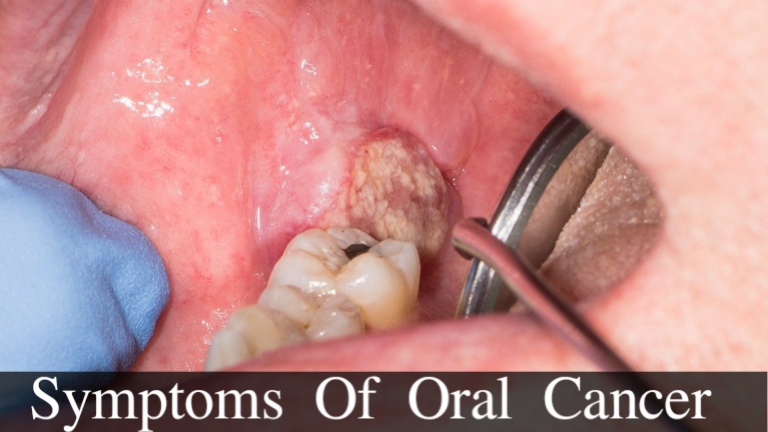
Oral cancer symptoms may seem mild in the beginning and are often mistaken for common mouth problems like ulcers or infections. Early recognition is crucial for timely treatment. Some of the most common warning signs include:
-
Persistent mouth sores that do not heal within two weeks.
-
Red or white patches on the tongue, gums, or inner cheeks.
-
Swelling, lumps, or rough spots in the mouth.

-
Pain or difficulty while chewing, swallowing, or speaking.
-
A feeling of something stuck in the throat.
-
Loose teeth without an obvious cause.
-
Chronic bad breath and unexplained bleeding.
If any of these symptoms persist, a medical consultation with a dentist or oncologist is highly recommended.
Read More : Top 3 Herbs for Better Digestion, Recommended by a Gastroenterologist
Diagnosis and Treatment
Early diagnosis greatly improves survival rates. Dentists often conduct routine oral cancer screenings during checkups, looking for unusual changes in the mouth. Diagnostic procedures may include physical examination, biopsy, imaging tests (such as CT scans or MRIs), and HPV testing.
Treatment depends on the stage and location of the cancer. Common approaches include:
-
Surgery to remove the tumor and affected tissues.
-
Radiation therapy to destroy cancer cells using high-energy rays.
-
Chemotherapy involving drugs that kill or slow cancer growth.
-
Targeted therapy and immunotherapy to boost the body’s immune system and specifically attack cancer cells.
A combination of these treatments may be required in advanced stages. Rehabilitation, including speech therapy and reconstructive surgery, can help improve quality of life after treatment.
Prevention and Awareness
Oral cancer is largely preventable through lifestyle modifications and awareness. Key preventive measures include:
-
Avoiding tobacco in all forms – This is the single most effective step to reduce risk.
-
Limiting alcohol consumption – Keeping alcohol intake within safe limits lowers the likelihood of developing cancer.
-
Maintaining good oral hygiene – Regular brushing, flossing, and dental checkups help detect early abnormalities.
-
Eating a balanced diet – A diet rich in fruits, vegetables, and antioxidants strengthens the immune system.
-
Using lip protection – Applying sunscreen-based lip balm can protect against harmful UV rays.
-
Getting vaccinated for HPV – Vaccination reduces the chances of HPV-related oral cancers.
-
Regular self-examination – Checking the mouth for unusual patches, sores, or lumps helps in early detection.
Conclusion
Oral cancer remains a serious yet preventable disease. With rising awareness, early detection, and lifestyle changes, its impact can be reduced significantly. By avoiding harmful habits such as smoking and excessive drinking, maintaining oral hygiene, and undergoing regular dental checkups, individuals can protect themselves from this life-threatening condition.
Health campaigns and education are also vital in spreading knowledge about symptoms and prevention, encouraging people to seek medical advice at the earliest signs. Ultimately, early detection is the key to survival, making vigilance and awareness the most powerful tools against oral cancer.
Read This :
Best Vegetable to Lose Visceral Fat Naturally — Backed by Science
Cardiac Arrest vs Heart Attack: Key Differences, Symptoms & Prevention Tips